
Lydney lies north-east of Newport, 26 road miles away
Skylight and rooflight fitting in Lydney
- 10-year workmanship guarantee
- We handle the Building Control notification where notifiable
A Roman temple, a canal harbour and a lot of rebuilding
Lydney is a town and civil parish in Gloucestershire. Its harbour on the Severn was created when the Lydney Canal was built, docks were constructed in 1810, and the South Wales Railway arrived in 1851 with an embankment that stopped the marine flooding and the silting. Before the railway, a horse-drawn tramway served the Forest iron and coal industry before it was upgraded in stages into the standard gauge Severn and Wye Railway. Adjoining the town, the gardens of Lydney Park hold a Roman temple dedicated to Nodens.
Increasing industry led to rebuilding in Lydney and Newerne in the 19th century, and the A48 has bypassed the town since 1995. None of that tells us what any particular roof is made of, so the table gives the usual shapes of home and leaves the street to the survey. Houses of different ages ask different things of a piece of roof glass, and we start from the one in front of us.
| Kind of house | Covering overhead | Worth a look |
|---|---|---|
| Victorian terrace or villa | Slate, sometimes clay tile, steeply pitched | A low-profile conservation rooflight |
| Interwar semi | Hipped, concrete or clay tile | Roof windows to turn a loft into a bedroom |
| Bungalow with a dormer or extension | Low pitch with a flat section | A flat rooflight, sized to the joists |
| Home with an ageing roof window | Any of the above | New sealed units, or a whole replacement window |
Three jobs that suit older and newer Lydney roofs
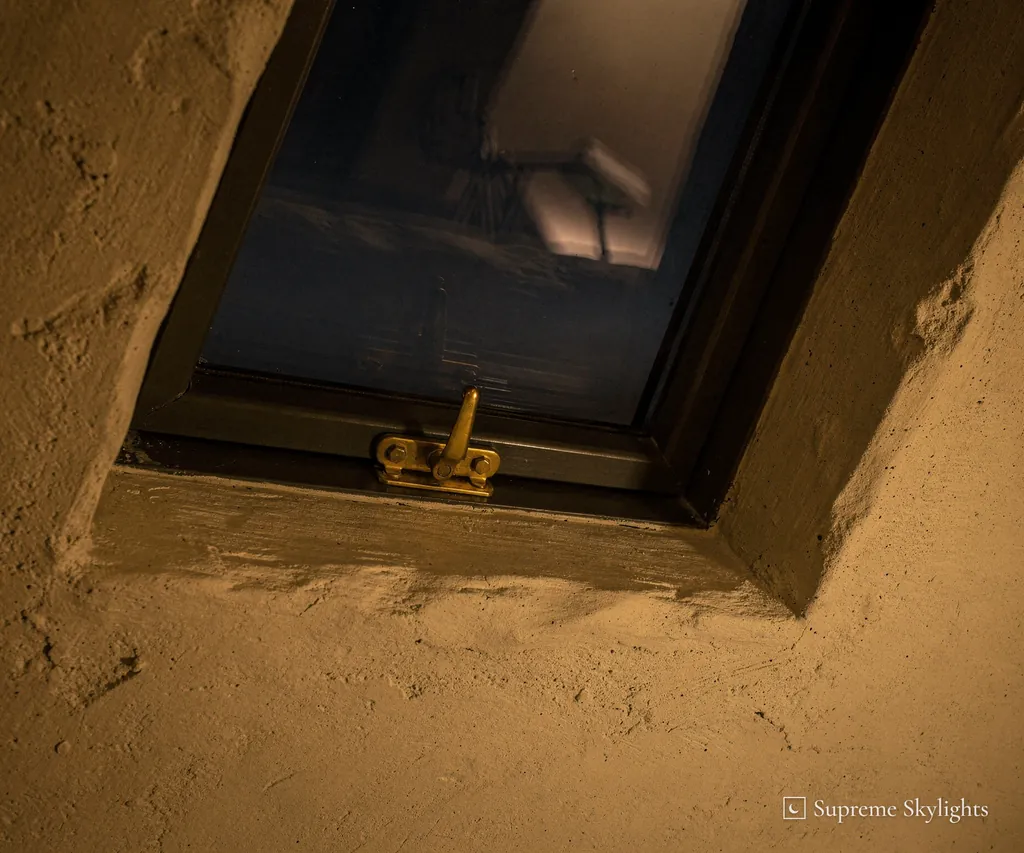
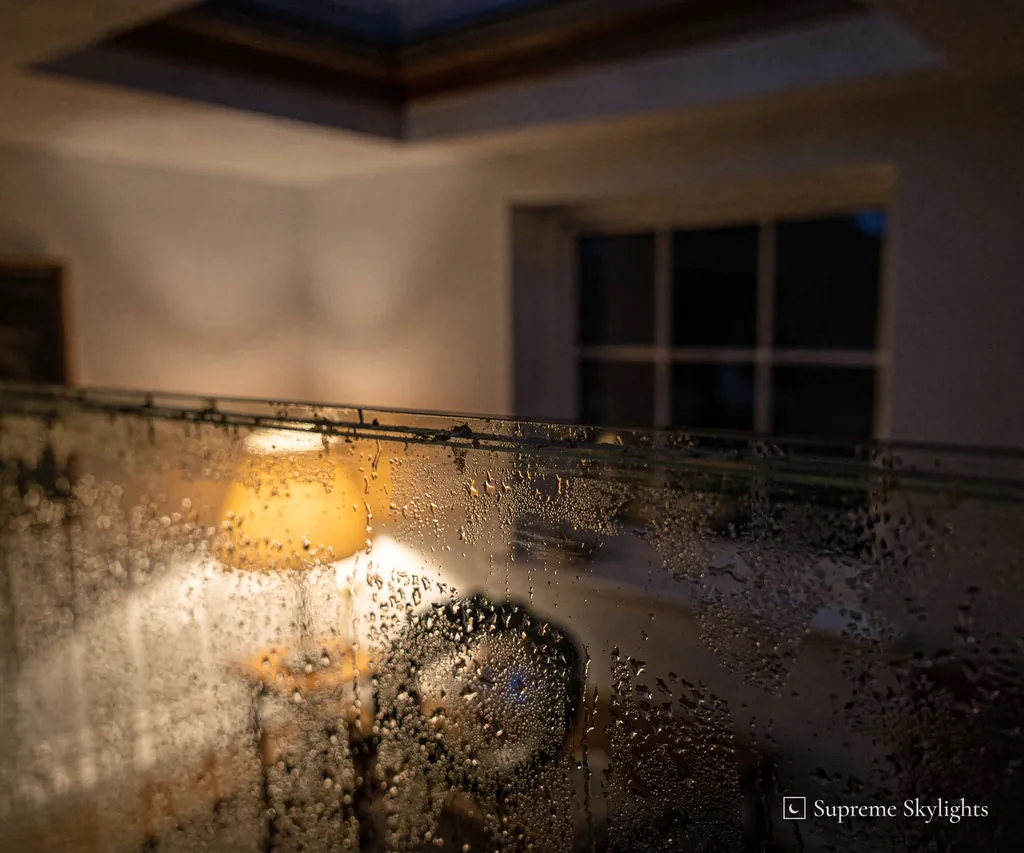

11:00
Forest of Dean District Council and the English rules
For a house in Lydney, the rules are English and the planning authority is Forest of Dean District Council. Putting a rooflight or roof window into a house roof can be permitted development under Class C, within limits that our planning permission guide explains in its England section.
Lydney Conservation Area is one of the district's conservation areas, and the council's conservation area page is the council's own page on them, and boundaries are for the council to confirm. In England, living in a conservation area does not by itself take the right away. An Article 4 direction can, and so can a condition on a planning permission. Whether either one touches an address is something only the council can confirm, so we put that question to the council ahead of quoting.
A listed house keeps its Class C rights in principle, yet a new or altered rooflight on a listed building will almost always need listed building consent, and that consent has the final say. The consent goes through the council and carries no fee. A flat has no householder permitted development rights, and a house that became a home only through a change-of-use permitted development right has no Class C rights.
The Building Regulations reach this kind of work too, since roof windows and rooflights are classed as controlled fittings. Where the work is notifiable, we handle the Building Regulations notification with the council's building control team or a registered building control approver.
12:00
Other places on the English side
A loft bedroom at the start of June
Early sun, a blackout blind and a window you can reach.
In June the sun is above the horizon long before seven, and a roof window looks straight into that. A loft bedroom with an unblinded window can be bright by five, and a blind built to black the glass out is the cure. Blackout blinds can be had for roof windows, and an electric or solar blind is the one to ask about when the window is too high to reach.
That is the first thing a loft conversion has to settle, because a bedroom is the room where light is least welcome. The second is height. A window that sits high in the slope lets in sky and not much else, and one set low enough to look through while standing gives you a view of the street or the garden. Which suits you depends on whether you want a view or just daylight, and it is simpler to decide before the opening is cut.
Escape matters in a loft bedroom too: the escape rules sit in Approved Document B, and the England section of our planning guide points to them. A roof window can be the escape window if it meets the escape measurements. We look at the arrangement on the survey and say what the room needs.
On a warm night the glass is the other consideration. A closed roof window under a summer roof traps heat, and opening it a little lets that heat go. A blind used by day cuts the sun on the glass, and the two together can keep a loft more comfortable than glass alone. The comparison of centre-pivot and top-hung windows shows how each type sits over a bed.
The room below also has its evenings. When the lamp is on and the blind is open, the glass turns into a dark mirror that gives the room back to itself, and from a neighbour's window the lit room shows through. Closing the blind at dusk is the simple answer, and a loft bedroom with one is a calmer place to read in bed.
June bedroom checklist
- Blind
- Blackout, electric or solar if high up
- Window height
- View or daylight, decided first
- Escape
- Measurements checked against Approved Document B
- Summer heat
- A window that opens, with a blind outside or in
A conservation rooflight in an older slate roof
Sizing the glass to the rafters and the roof to the street.
Victorian houses of two storeys, whether terraced or standing alone, are often roofed in slate or in clay tile on a steep pitch. A rooflight on that kind of roof wants to look as though it belongs, and a conservation rooflight is made for the job. Its frame can be slim, with the glass lying close to the slates and a glazing bar across it, which helps keep the unit from standing out against the covering when you look up from the pavement.
Lydney Conservation Area is named in the conservation-area data for the town. Living in one does not, in England, take away the right to add a rooflight by itself. What the council can do is remove it with an Article 4 direction, so the working order is to ask first. The same goes for a planning condition on the house's own permission. That check comes ahead of any talk of sizes.
Then the roof itself. Slates have to be lifted around the frame, and any that crack come out and need matching. Rafter spacing in an older roof is measured and not assumed, because it caps how wide the opening can be without changing the structure. The lining inside is a larger piece of joinery in a house with a high ceiling, and the reveal can be plastered and finished to match the room.
For the product itself, read our explainer on conservation rooflights. If the house is listed, the consent decides what the opening may look like, and we find the listing before we recommend anything.
On a house of this age the loft is part of the survey. The timbers carry the roof, and any water tank, wiring or old insulation that sits near the chosen spot is noted before the position is fixed, since the opening in the slope has to line up with the opening in the ceiling.
| Question | Who answers it |
|---|---|
| Is the house listed? | The national heritage list |
| Article 4 or a condition? | The council |
| How wide can the opening be? | The rafter spacing |
| Which slates need matching? | The survey, from the roof |
A roof window that has misted over
Replace the unit or the whole window, and how the frame decides.
Start with what the cloudiness really is. If it sits between the two panes and wipes off from neither side, the sealed unit has failed and moisture has got in. If it sits on the inside of the room-side pane, it is condensation from the room, and that is a ventilation matter. The two look alike on a dull afternoon, and only the first calls for a replacement.
A failed unit can often be replaced alone. The frame is kept and new glass is fitted into it, provided the frame is in good order. Where the frame has decayed, or the window is old enough that its fittings are worn, the answer is a whole new window. How that call gets made is set out in the guide to sealed units against whole rooflights.
There is a regulations point worth knowing. Fitting new glass alone, or a window into its old frame, falls outside the energy efficiency requirements that govern a controlled fitting. A whole new roof window is different. Its U-value should be no worse than 1.4 W/m²K, or it should reach Window Energy Rating band B, which is the figure in Approved Document L for a roof window in an existing home. A rooflight on a kerb has its own figure of 2.2 W/m²K.
A milky patch in the glass is the usual giveaway, and light comes through unevenly. The room below is dimmer than it ought to be, and the view of the sky has gone. A replacement brings that back, and the evening lamps no longer sit behind a smeared pane.
If the rest of the roof is sound, a swap involves less work than cutting a new opening, because the structure round the window is already there.
For the afternoon itself, the check is simple. Look at the window from the room on a bright day and from the garden if you can reach it, and note where the cloud sits. Take that note to the visit.
Lydney questions, answered
Do you work in Lydney itself?
Yes. Lydney, in Gloucestershire, is a 26-mile drive from Newport heading north-east. The free survey is the first step before any quote.
Does living in a conservation area stop a rooflight?
In England it does not remove the right on its own; there is a fuller account under England in our planning permission guide. Removal comes through an Article 4 direction or a condition attached to the house's permission, and Forest of Dean District Council can tell us whether either applies.
Which windows count as an escape route from a loft?
A roof window can serve where it meets the escape measurements in Approved Document B, and we check the opening against them on the survey. Our planning guide for England covers the loft-room questions more widely.
Is a misted roof window a job for new glass or a new window?
It depends on the frame. New glass in a sound frame can be enough, while a worn frame calls for a whole window. The misted rooflights hub sets out the decision.
What do I send before you visit?
Your address, the room in question and a couple of pictures of the ceiling and the roof outside. WhatsApp 07880 284133 or email info@supremeskylightsnewport.co.uk. A price follows the visit.
Is the Building Regulations notification something you take on?
We make the Building Regulations notification to the council's building control team or a registered building control approver, where the work is notifiable.

Book your free survey
10-year workmanship guarantee.
Building Control notification handled where notifiable.